2026 El Nino Strengthens: India Faces Heat, Rainfall and Food Security Risks
The 2026-27 El Nino is strengthening, raising concerns over extreme heat, disrupted rainfall, drought and food security in India and other parts of the world.
India is heading into a potentially significant climate phase as the 2026-27 El Nino continues to strengthen, with global forecasters warning that the event could become unusually powerful. The developing climate pattern is raising concerns over extreme heat, shifting rainfall, drought and food security across several regions, including India.
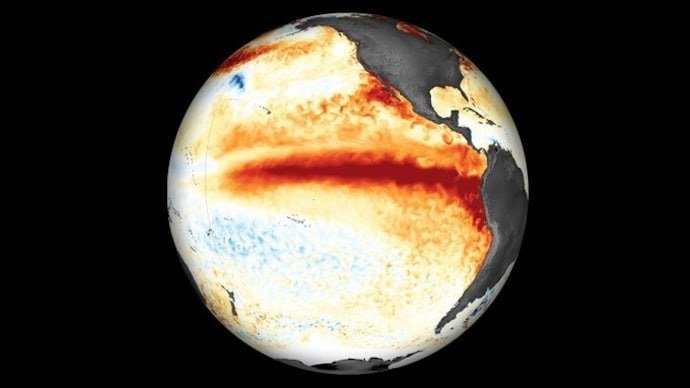
The World Meteorological Organisation said in its September update that El Nino is firmly established and is expected to intensify, with the phenomenon likely to persist through February 2027. The US National Oceanic and Atmospheric Administration has also indicated a high probability of a very strong El Nino during the Northern Hemisphere autumn and winter.
El Nino is the warm phase of the El Nino-Southern Oscillation, a natural climate pattern linked to changes in Pacific Ocean temperatures and atmospheric circulation. Its warming influence can affect weather patterns far beyond the Pacific.
For India, one of the major concerns is rainfall. The southwest monsoon contributes more than 70 percent of the country's annual rainfall and is crucial for agriculture, reservoirs and water supplies. El Nino has historically been associated with weaker Indian monsoons, although it does not automatically result in drought.
The developing El Nino could become particularly important if it continues into the 2027 monsoon season. The Indian Ocean Dipole will also influence how the climate pattern affects rainfall, potentially producing a mix of dry spells and intense rainfall.
Globally, El Nino can increase drought and wildfire risks across parts of Southeast Asia and Australia, while some areas of Africa and South America may experience heavier rainfall and flooding. These contrasting conditions can put crops, infrastructure and food supplies under pressure.
However, the strength of El Nino alone does not determine its impact. Regional weather patterns, ocean conditions and preparedness will also play major roles.
With global temperatures and ocean heat already at elevated levels, scientists are closely watching the 2026-27 El Nino. While it is too early to establish whether it will become the strongest event on record, its combination with ongoing global warming could make the coming months particularly important for climate monitoring and disaster preparedness.