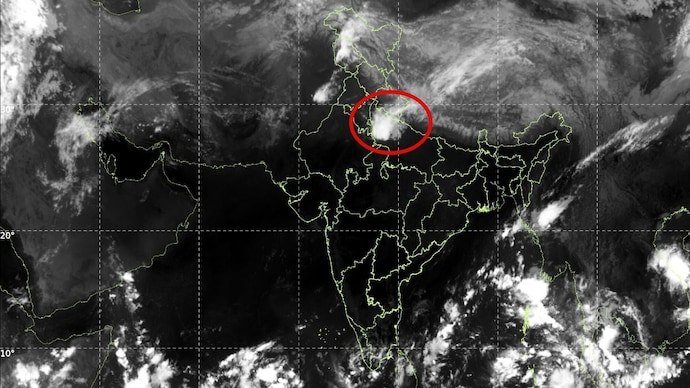
Delhi-NCR Weather: Doctors Warn of Asthma Risks in Children as Air Quality Changes
Changing temperatures, dust and deteriorating air quality can trigger asthma and allergy symptoms in children across Delhi-NCR. Doctors explain the warning signs parents should watch for and how to reduce exposure to common triggers.
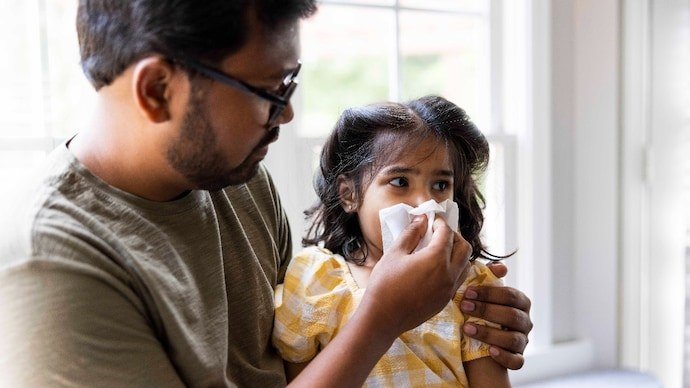
As Delhi-NCR moves from monsoon towards winter, changing temperatures, humidity, dust and air pollution could worsen breathing problems in children with asthma and allergies, doctors warn.
Environmental pollutants, particularly fine particulate matter, can irritate the airways and increase inflammation, making children more vulnerable to coughing, wheezing and breathing difficulties. Seasonal changes can also aggravate allergic rhinitis, causing sneezing, nasal congestion and post-nasal drip that may worsen asthma symptoms.
Dr Nikhil Rajvanshi, consultant paediatric pulmonologist, allergy and sleep specialist at Rainbow Children's Hospital, Delhi, said children with sensitive airways may experience flare-ups when several environmental triggers occur together.
Delhi recorded an average Air Quality Index (AQI) of 102 in September 2026, according to the Union Environment Ministry, marking its lowest September average in five years. However, the AQI reached 129 on September 30, remaining in the moderate category. Air quality typically deteriorates during winter across the region.
Dr Vishal Jain, lead consultant for paediatrics and neonatology at CK Birla Hospital, Delhi, said children's smaller airways can make them particularly sensitive to environmental changes.
Parents should watch for persistent nighttime coughing, recurrent wheezing, breathlessness, chest tightness, reduced exercise tolerance and an increased need for reliever inhalers. Difficulty speaking, rapid breathing, visible chest retractions or unusual drowsiness require urgent medical attention.
Doctors recommend following prescribed treatment, checking local AQI levels before outdoor activities, reducing strenuous exercise during high pollution and keeping homes free from dust, dampness, mould and tobacco smoke.
Children with asthma do not necessarily need to stay indoors constantly. The priority is reducing exposure during poor air quality while maintaining appropriate treatment and normal activities when conditions allow.