India’s Growth Story Faces New Risks From Wars, Tariffs and AI
India’s economy continues to grow, but import dependence, weak manufacturing expansion and AI disruption are creating new challenges for future growth.
India’s economy continues to record strong growth, but rising geopolitical tensions, import dependence and changes brought by artificial intelligence are creating new challenges. Policymakers have warned that disruptions to food, fuel and fertiliser supplies could expose vulnerabilities as global trade becomes increasingly unpredictable.
India imported 88.2% of its crude oil requirements in 2024-25, according to RBI data. Higher global oil prices can raise fuel and transport costs while putting pressure on inflation, the rupee and the country’s import bill. Fertiliser production also remains dependent on imported energy and raw materials, leaving agriculture exposed to global supply disruptions.
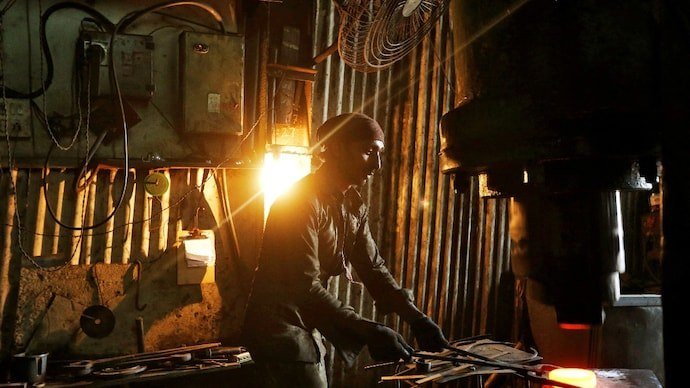
Manufacturing is another concern. Despite initiatives such as Make in India and the Production Linked Incentive scheme, its share of the economy has remained largely within the 15-18% range for decades. Electronics and pharmaceuticals have expanded, but India still needs deeper domestic supply chains, stronger engineering capabilities and greater integration with global manufacturing networks.
At the same time, AI is changing India’s services-led growth model. Automation could reduce demand for some lower-level white-collar tasks, increasing pressure to move into higher-value technology work.
The opportunity remains significant as companies diversify supply chains beyond China. But India is competing with countries including Vietnam, Indonesia and Mexico. In short, strong GDP numbers are encouraging, but the global economy is basically saying: plot twist incoming. India’s next challenge is making growth more resilient.