Starlink India Approval: Elon Musk’s Grok Flags Security Risks and High Costs
Elon Musk’s AI chatbot Grok has highlighted potential security, data sovereignty and affordability concerns surrounding Starlink’s proposed India entry, adding another dimension to the debate over satellite internet regulation.
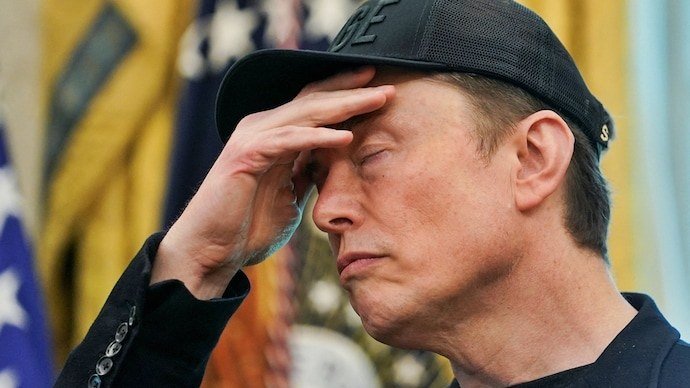
Elon Musk’s push to bring Starlink satellite internet to India has encountered an unexpected twist: his own AI chatbot, Grok, has outlined several potential disadvantages of allowing the service to operate in the country.
Asked about the risks, Grok reportedly flagged national security, data sovereignty, high subscription costs and dependence on a foreign technology provider as key concerns for Indian regulators.
Security is a major consideration because a foreign-controlled satellite network could complicate service restrictions in sensitive border areas or during emergencies. Reports of satellite internet equipment being misused by militants and smugglers have also raised questions about oversight.
Grok also highlighted data sovereignty concerns. Starlink’s interconnected satellite network could present technical and regulatory challenges for ensuring compliance with India’s lawful interception requirements and domestic monitoring rules.
Affordability is another hurdle. Satellite internet requires specialised hardware and subscription plans that could cost more than conventional broadband or mobile services offered by Indian telecom operators such as Reliance Jio and Bharti Airtel. This could limit adoption, particularly among rural households that stand to benefit from connectivity in underserved areas.
The chatbot also pointed to the risk of market disruption and excessive reliance on a single American provider, despite the availability of domestic telecom alternatives.
However, Grok’s response is not an official assessment of Starlink or a regulatory verdict. The potential risks could be addressed, at least in part, through licensing conditions, technical safeguards and government oversight.
The episode nevertheless highlights the questions India faces as it evaluates satellite internet services: how to expand connectivity while protecting national security, data control, competition and consumer affordability.
For Musk, the challenge is not simply getting Starlink into orbit over India. It is meeting the regulatory conditions that could determine how the service operates on the ground.