


- March 02, 2026
Microsoft Flags Urgent Global AI Divide
Microsoft President Brad Smith calls for urgent action to bridge the global AI divide at India AI Impact Summit 2026.
- February 18, 2026
- in Business

Microsoft Vice-Chairman and President Brad Smith on Wednesday highlighted what he described as an urgent need to bridge the widening artificial intelligence (AI) gap between the global north and south.
Speaking at the India AI Impact Summit 2026 during a session titled “Trusted AI for everyone,” Smith said AI adoption rates show a growing imbalance.
According to him, by the end of 2025, 25% of the working-age population in the global north was using AI, compared to 14% in the global south. He added that adoption growth in the north was 1.8% in the second half of 2025, while the south recorded a 1.0% increase.
“This is the new divide, and it’s getting worse, not better,” Smith said.
Technology and economic inequality
Smith linked the AI gap to a broader economic divide rooted in unequal access to technology. He pointed to electricity as a historical example, noting that access to power helped drive industrial growth in the global north long before similar expansion occurred in many southern economies.
He warned that repeating such a pattern with AI could deepen inequality. However, he also suggested that AI presents an opportunity for the global south to catch up — if the right investments are made.
Infrastructure and investment push
Smith emphasised that closing the AI divide would require coordinated efforts in infrastructure development. He said building data centres, expanding connectivity and ensuring reliable electricity must go hand in hand.
He also called for increased public and private capital to fund AI infrastructure in developing economies. According to him, generating demand and mobilising investment are essential steps toward inclusive AI growth.
Focus on skills and talent
In addition to infrastructure, Smith stressed the importance of skill development. He said transformative technologies historically depend on widespread skill adoption across economies.
Expanding AI education and training in developing regions, he noted, will be critical to ensuring that AI benefits are shared more evenly.
As global leaders debate AI governance, regulation and economic impact, Smith’s remarks at the summit underline a growing concern: that without deliberate action, AI could widen existing global inequalities rather than reduce them.
you may also like

- March 02, 2026
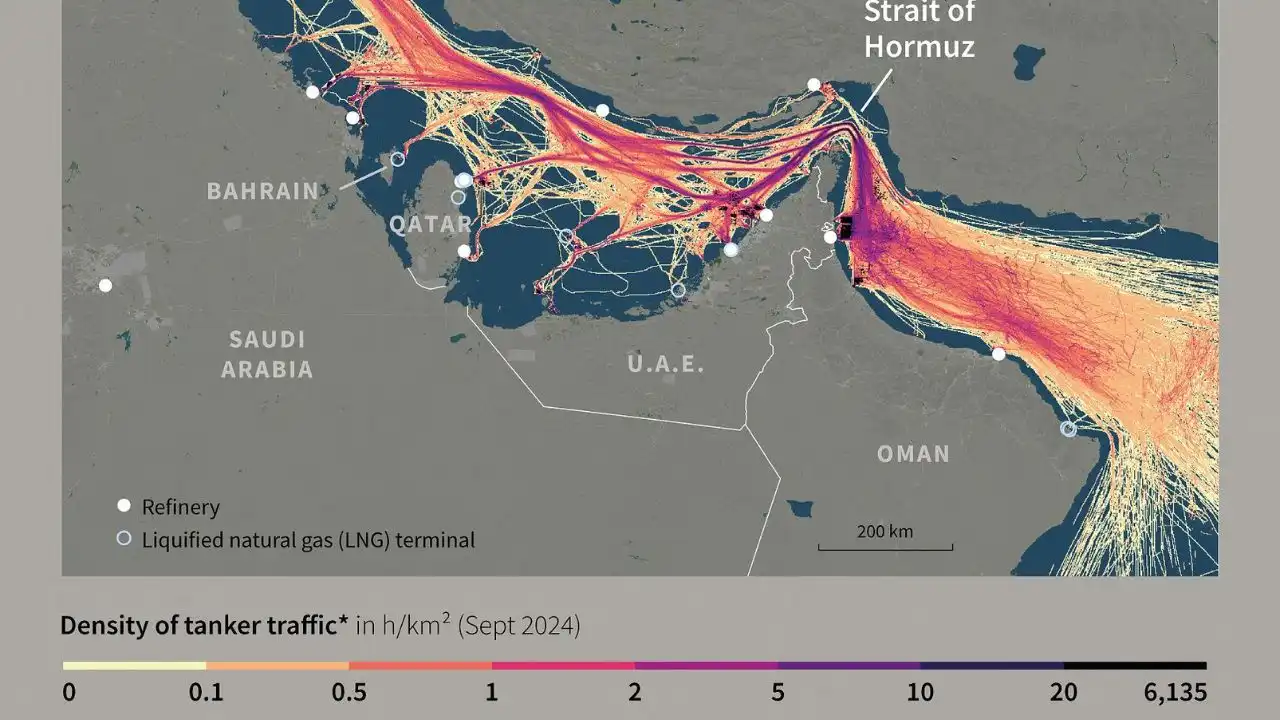
Middle East Tensions: Impact on India Trade & Oil

- March 02, 2026
Intel CEO Warns of Huawei’s Chip Talent Push

- February 28, 2026
Amazon to Invest $50B in OpenAI, Expands AWS Tie-Up
- February 28, 2026