


- March 02, 2026
Trump’s 10% Tariff Sparks Expert Debate
President Donald Trump’s new 10% global tariff takes effect. Economists question balance of payments crisis claim as legal doubts emerge.
- February 24, 2026
- in Business
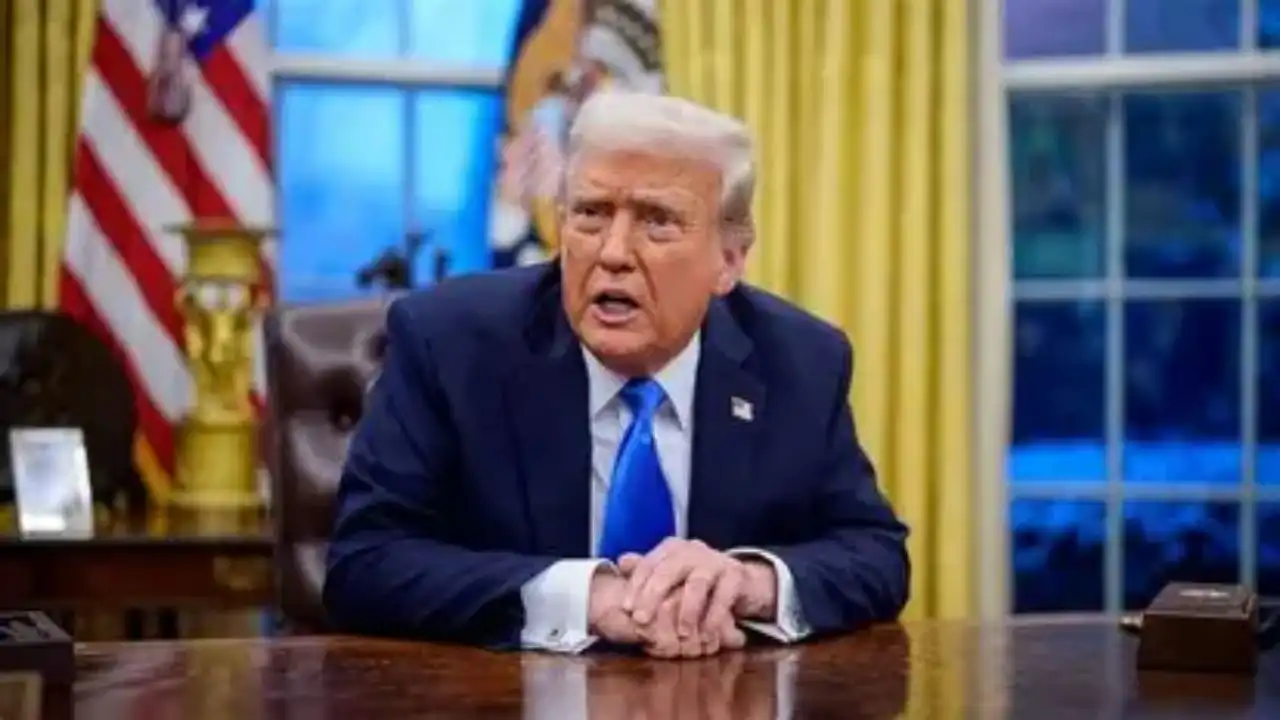
A new 10% import tariff announced by US President Donald Trump has come into effect, with the administration describing it as a step to address what it calls a significant US balance of payments deficit.
The measure has been introduced under Section 122 of the Trade Act of 1974. The administration has also indicated that the tariff could rise to 15% if required.
Why the Tariff Was Introduced
According to the White House, the move is aimed at correcting imbalances in international payments. Officials argue that the United States is facing pressure due to persistent deficits.
However, several economists have questioned whether the US is actually facing a balance of payments crisis.
Former IMF first deputy managing director Gita Gopinath told Reuters that the US is not experiencing a classic balance of payments crisis. She explained that such crises usually involve soaring borrowing costs and loss of access to global financial markets.
She attributed the recent negative primary income balance to higher foreign investment in US assets rather than a structural crisis.
Experts Question Crisis Narrative
Mark Sobel, a former US Treasury and IMF official, said balance-of-payments crises typically occur in countries with fixed exchange rates. He noted that the US dollar operates under a floating exchange rate system and has remained stable.
Josh Lipsky of the Atlantic Council said a trade deficit should not be confused with a balance of payments crisis. According to him, a crisis arises when a country is unable to pay for imports or service foreign debt — conditions that are not currently evident in the US economy.
At the same time, some analysts see partial merit in the administration’s position. Brad Setser of the Council on Foreign Relations noted that the US current account deficit is larger than it was in 1971 when tariffs were introduced by then-President Nixon. He said the current figures provide the administration with an argument, though debate continues.
Legal Concerns Surface
The legal basis for invoking Section 122 has also raised questions. The US Justice Department previously stated in court filings that the statute may not apply to trade deficits, as these are conceptually different from balance-of-payments deficits.
Legal experts suggest that the new tariffs could face court challenges. Neal Katyal, who represented plaintiffs in earlier tariff-related cases, told CNBC that if the administration relies on a statute previously deemed unsuitable, litigation could follow.
It remains unclear who might challenge the new duties in court. Representatives from legal advocacy groups have said they are monitoring the situation closely.
What Happens Next?
The 10% tariff formally took effect just after midnight Tuesday. Section 122 allows tariffs of up to 15% for 150 days if the president determines there are “large and serious” balance-of-payments issues.
For now, markets appear steady, but economists and legal experts continue to debate whether the measure is economically justified or legally sustainable.
The discussion highlights a broader question: Is the US facing a structural payments problem, or is the tariff a preventive step in trade policy?
you may also like

- March 02, 2026
Middle East Tensions: Impact on India Trade & Oil
- March 02, 2026
Intel CEO Warns of Huawei’s Chip Talent Push

- February 28, 2026
Amazon to Invest $50B in OpenAI, Expands AWS Tie-Up
- February 28, 2026