


- March 09, 2026
West Asia Crisis: 45,000 Indian Containers Stuck
Around 45,000 Indian export containers are reportedly stuck due to the West Asia conflict, with shipping costs rising up to five times, according to industry experts.
- March 08, 2026
- in Business
Advertisement

The ongoing West Asia conflict is reportedly affecting India’s export sector, with tens of thousands of cargo containers facing delays across international shipping routes.
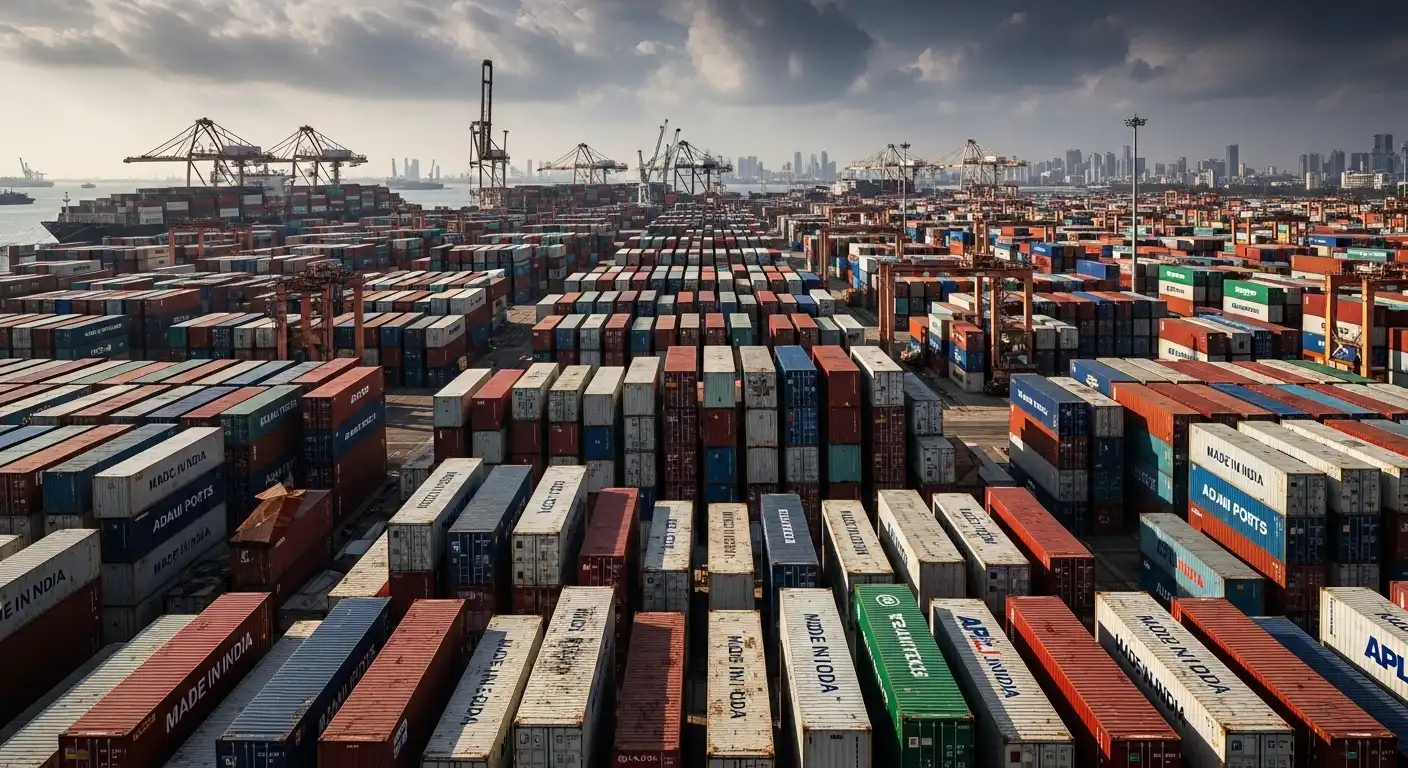
According to logistics industry estimates, around 40,000 to 45,000 containers carrying Indian exports are currently stranded either at international ports or in transit through global shipping lanes.
Industry experts say the situation has placed export cargo worth approximately $1–1.5 billion under uncertainty, as companies face possible route diversions, delivery delays, or the risk of shipments returning to India.
Containers Stuck in Transit
Logistics sector officials say that nearly 80 percent of the affected containers are already at sea, making rerouting or adjusting delivery plans more complicated.
Jitendra Srivastava, Chief Executive Officer of Triton Logistics & Maritime, said that a significant number of Indian export shipments are currently caught in the disruption affecting both sea and air cargo routes.
According to him, the cargo value of stranded shipments is estimated to be between $1 billion and $1.5 billion, based on preliminary industry assessments.
Shipping Costs Rise Sharply
Apart from delays, exporters are also facing higher logistics expenses.
Industry sources report that shipping companies have introduced contingency surcharges, which are adding substantial costs to international shipments. As a result, the cost per container has reportedly increased three to five times compared with earlier rates.
Experts say these additional charges are contributing to a growing financial burden for exporters already dealing with uncertain delivery timelines.
Basmati Rice Among Affected Goods
A large portion of the delayed shipments reportedly includes basmati rice exports. Sources suggest that nearly 400,000 tonnes of basmati rice could be part of the cargo currently facing disruptions.
Exporters dealing with perishable goods may face greater challenges if delays continue, as longer transit times can affect product quality and market value.
Industry Concerns Over Supply Chain Impact
Logistics professionals warn that the ongoing disruptions could lead to a wider container shortage and further complications for global supply chains.
If shipping routes remain unstable, exporters may have to consider alternative logistics arrangements, which could increase costs and extend delivery times.
For now, companies are closely monitoring developments in the region while assessing possible route changes or contingency plans for their shipments.
Advertisement
you may also like
- March 09, 2026
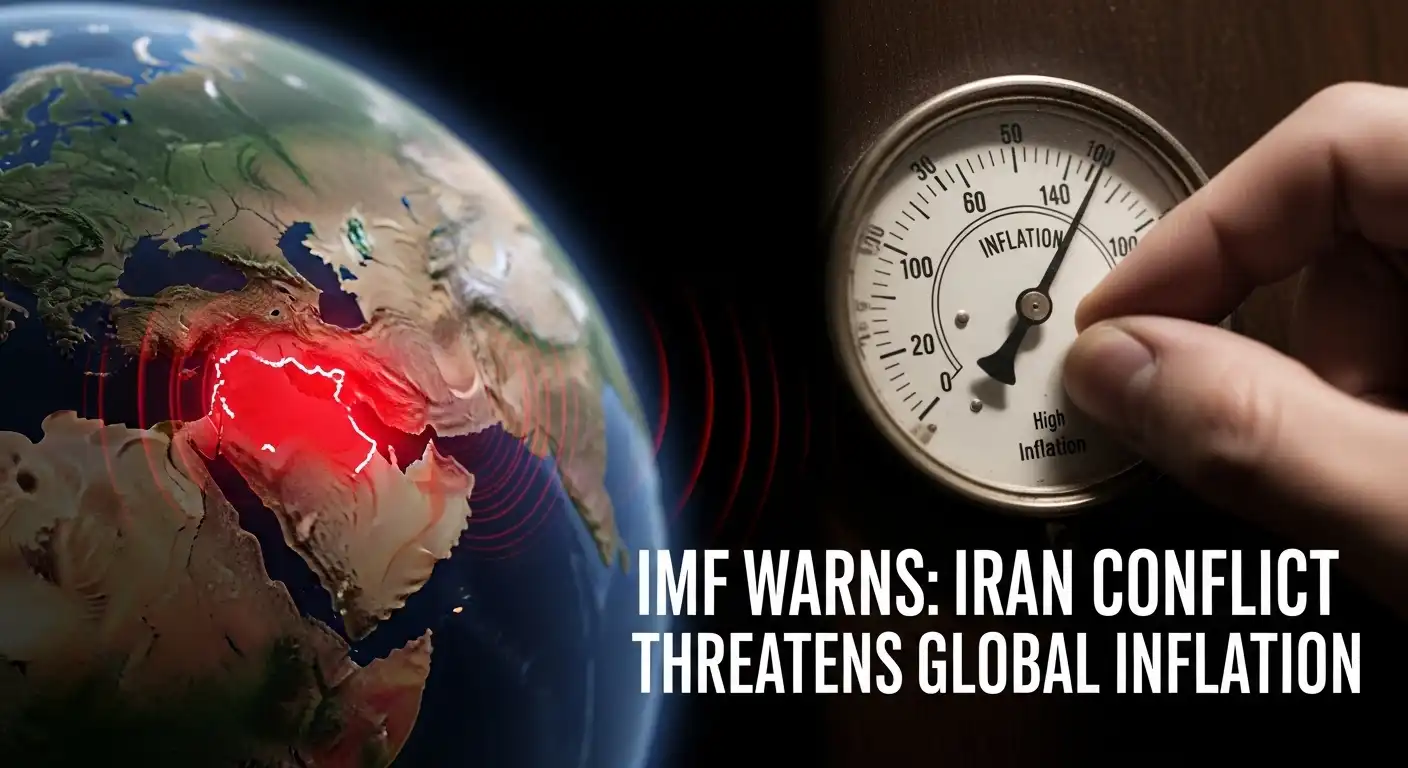
IMF warns Iran conflict could raise global inflation

- March 09, 2026
Iran conflict wipes ₹25 lakh crore from markets

- March 09, 2026
Sensex, Nifty hit 11-month low amid oil price surge

- March 08, 2026