Over 60 Countries Back EU Declaration Against Shipping Tolls in International Straits
More than 60 countries have backed an EU-led declaration opposing unlawful tolls and fees on international shipping routes. The move comes amid disruption in the Strait of Hormuz and rising tensions over Iran’s restrictions on maritime traffic.
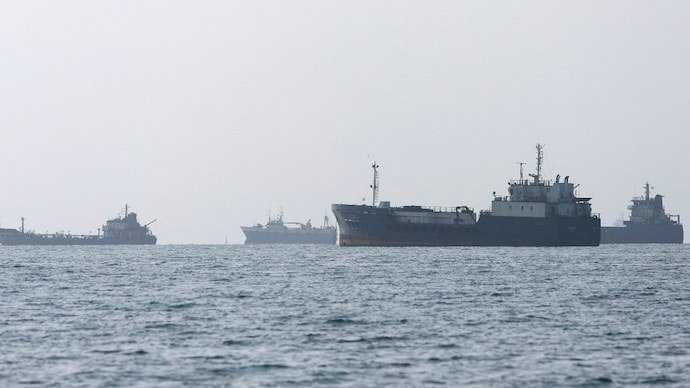
More than 60 countries have backed a European Union declaration opposing unlawful tolls and fees on ships using international straits. The initiative comes amid disruption in the Strait of Hormuz, a critical route for global energy supplies.
The pledge includes all EU member states and 33 other countries, including Australia, Japan, the United Kingdom, Canada and Singapore. It aims to protect freedom of navigation and prevent international waterways from becoming tools of political or economic pressure.
EU foreign policy chief Kaja Kallas said international shipping routes must remain accessible without unlawful charges. The declaration opposes discriminatory restrictions, prior authorisation requirements and other measures that obstruct lawful passage.
It also invokes the United Nations Convention on the Law of the Sea, which provides the international legal framework for maritime activities. Signatories pledged to work through institutions such as the International Maritime Organization to support safe navigation.
Strait of Hormuz disruption
The diplomatic push comes as Iran asserts control over shipping movements through the Strait of Hormuz amid the ongoing conflict. Iranian officials have linked access to the waterway to Tehran’s demands, while international governments have raised concerns about restrictions on commercial vessels.
The strait connects the Persian Gulf with the Gulf of Oman and the wider Arabian Sea. Before the conflict began on February 28, around one-fifth of global oil and liquefied natural gas supplies passed through it.
Shipping traffic has fallen sharply amid security risks, attacks on tankers and logistical constraints. The disruption has heightened concerns about energy supplies, transport costs and global trade.
The declaration signals growing international opposition to unlawful restrictions on maritime passage, although diplomatic efforts to restore normal shipping remain complicated by the wider conflict.