Delhi Sees Worst October Air Since 2020: What’s Driving the AQI Rise?
Delhi’s air quality has worsened for five consecutive days, with weaker winds, reduced rainfall and local emissions contributing to the capital’s most polluted start to October since 2020.
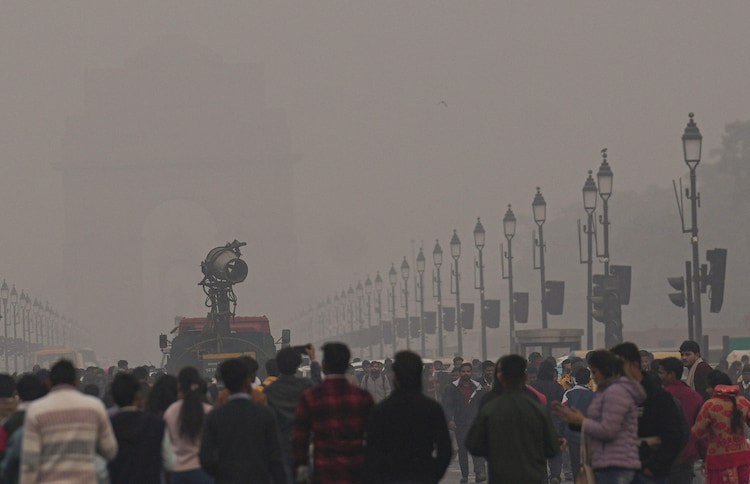
Delhi’s air quality has deteriorated for five consecutive days, with the capital recording its most polluted start to October since 2020. The city’s average AQI reached 187 on October 4, its highest level in 83 days.
The average AQI for October 1-4 stood at 174.5, compared with 119.75 during the same period last year. On October 4, 14 of Delhi’s 43 active monitoring stations recorded air quality in the “Poor” category.
The deterioration follows a cleaner September, when rainfall and stronger winds helped disperse pollutants. As the monsoon weakened, rainfall stopped and wind speeds fell, allowing emissions to accumulate closer to the ground. PM10 has emerged as the dominant pollutant during the recent deterioration.
Local sources are also adding to the problem. The Commission for Air Quality Management has flagged violations involving road dust and construction-and-demolition waste on several stretches of Delhi’s roads.
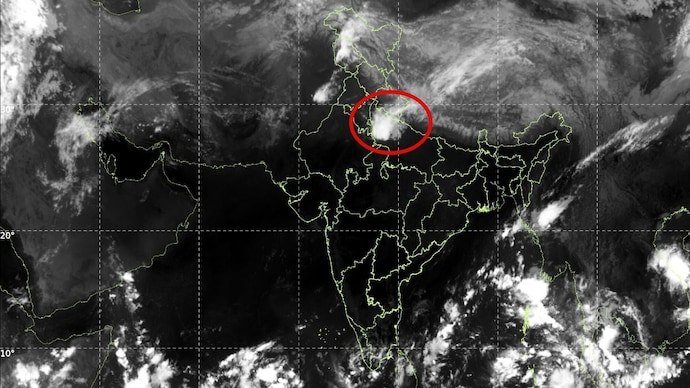
Farm fires have started appearing in northern India, but available evidence does not yet establish stubble burning as the primary cause of the current deterioration. As winter approaches, emissions from vehicles, industries, power plants and biomass burning could add further pressure.
For now, Delhi’s worsening air appears to have several contributors rather than one single culprit.