IIT Student Deaths: Data Highlights Campus Patterns and Mental Health Concerns
A compilation of RTI responses and media reports records at least 171 IIT student suicides and unnatural deaths between 2006 and September 2026, highlighting concerns about academic pressure, campus support and reported caste-based disparities.
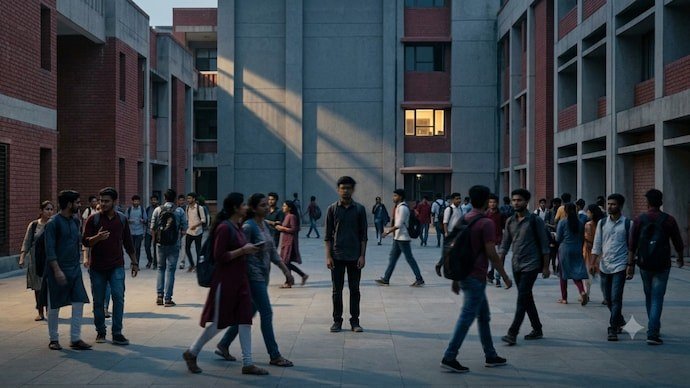
At least 171 students at Indian Institutes of Technology (IITs) died by suicide or other unnatural causes between 2006 and September 2026, according to a compilation based on Right to Information (RTI) responses and media reports.
Compiled by IIT Kanpur alumnus Dheeraj Singh, the data records 51 deaths between 2006 and 2015, rising to 120 between 2016 and September 2026. The latest five-year period alone accounts for 74 recorded deaths.
The compilation is not a centralised official database, and its findings require independent verification. However, the figures raise important questions about student welfare and institutional accountability.
Campus Location and Exam Pressure
According to the analysis, around 82% of recorded suicides occurred on IIT campuses. It also identifies possible peaks during examination and results periods, while recorded deaths declined during the Covid-19 lockdown years of 2020 and 2021.
These patterns do not establish the causes of individual deaths, but they highlight the need to assess whether support services reach students during periods of heightened academic pressure.
Reported SC/ST Disparities
The analysis estimates that suicide rates among Scheduled Caste (SC) and Scheduled Tribe (ST) students were roughly twice those of General-category students. It also reports higher post-pandemic rates among SC and ST students.
These estimates need careful scrutiny, including verification of student population figures and calculation methods. The findings nevertheless warrant further investigation into potential inequalities in campus experiences and access to support.
The data underscores the need for transparent reporting, accessible counselling, trained faculty and wardens, and timely intervention to support students in distress.