India’s Monsoon Ends With 13% Rain Deficit: Why Rabi Crops Face Water Stress
India’s monsoon has ended with a 13% rainfall deficit, raising concerns over soil moisture, reservoirs, groundwater and the rabi crop season.
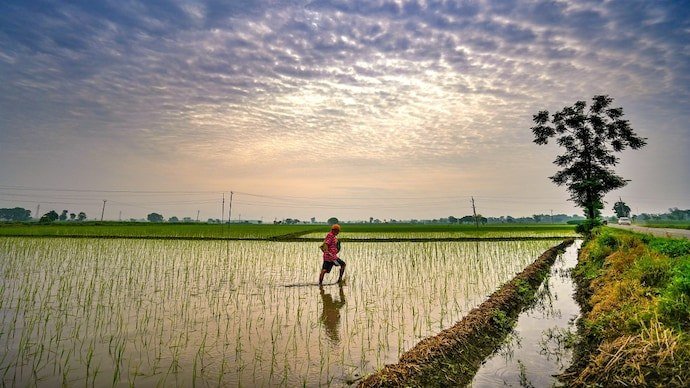
India’s four-month southwest monsoon has ended with a 13% rainfall deficit, but the country’s water concerns are far from over. With the rabi sowing season beginning, attention is shifting to soil moisture, reservoirs and groundwater that will determine how much water is available for winter crops.
The impact is already being felt in parts of the country. Maharashtra has declared drought in 265 of its 358 talukas after deficient rainfall and prolonged dry spells damaged crops and strained water supplies.
Unlike kharif crops, which depend heavily on monsoon rainfall, rabi crops such as wheat, gram and mustard rely more on residual soil moisture, irrigation, reservoirs and groundwater. A weak or uneven monsoon can therefore create problems even after the rainy season officially ends.
The weather outlook adds another challenge. The India Meteorological Department expects October rainfall to remain below normal across much of the country, although some areas in southern peninsular and eastern India could receive normal or above-normal rainfall.
Strong El Nino conditions in the Pacific are another factor being closely watched. Climate models indicate that the phenomenon could strengthen towards the end of the year. Above-normal temperatures expected across much of India could further increase evaporation and water demand.
So, while the monsoon has officially clocked out, India’s water test is only beginning. The real question now is how much water is actually left where farmers need it most.