Moscow Format Talks End Without Joint Statement Amid Pakistan-Afghanistan Dispute
The eighth Moscow Format meeting on Afghanistan ended without a joint statement after Pakistan and the Afghan Taliban administration disagreed over language concerning terrorism and regional security.
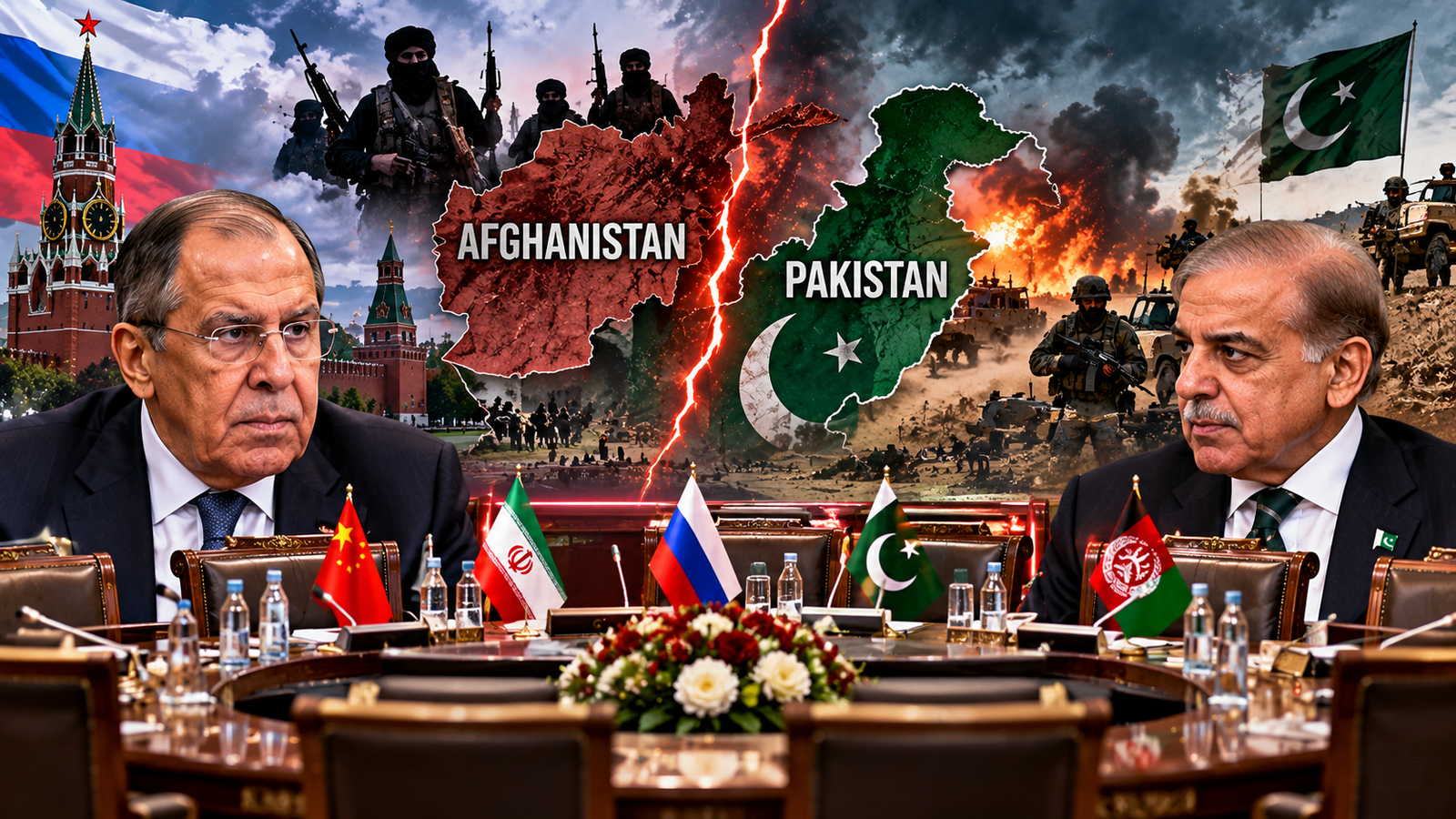
The eighth Moscow Format consultation on Afghanistan ended without a joint statement after Pakistan and the Afghan Taliban administration failed to agree on the final wording. Representatives from Afghanistan, China, India, Iran, Kazakhstan, Kyrgyzstan, Pakistan, Russia, Tajikistan and Uzbekistan attended, with Belarus and Egypt participating as guests.
Russian presidential envoy Zamir Kabulov said differences between the Pakistani and Afghan delegations prevented agreement on the document. The disagreement reportedly centred on references to terrorism and counterterrorism.
Kabulov said Afghanistan objected to language that linked the country to terrorism. Pakistan’s special envoy Mohammad Sadiq, meanwhile, accused the Taliban administration of failing to prevent militant attacks originating from Afghan territory. Kabul maintains a different position on the issue.
Afghan Taliban Foreign Minister Amir Khan Muttaqi criticised Pakistan’s approach, accusing Islamabad of using military pressure, refugees, students and transit routes as leverage. He nevertheless said disputes between the neighbours could be addressed through dialogue.
Russia offered to assist if both sides requested help, while Kabulov stressed that resolving the bilateral dispute was not the Moscow Format’s primary purpose.
The forum, established in 2017, is intended to support peace and national reconciliation in Afghanistan. Its latest meeting instead highlighted how deteriorating Pakistan-Afghanistan relations are complicating attempts to build a common regional position on Afghanistan.