


- March 07, 2026
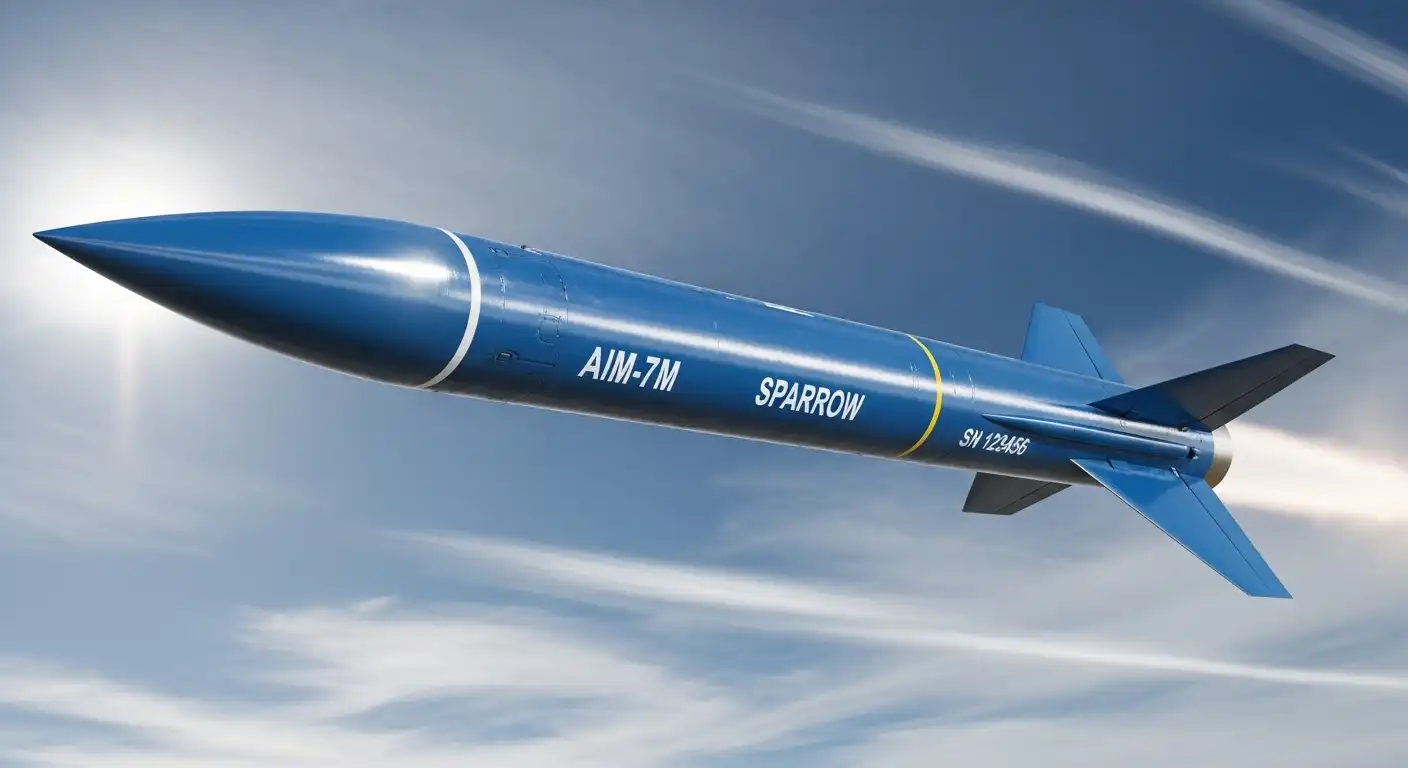
Blue Sparrow Missile: Weapon Used in Tehran Strike
Reports say Israel used the Blue Sparrow missile in a strike on Tehran that killed Iran’s Supreme Leader Ali Khamenei, marking a major escalation in tensions.
- March 06, 2026
- in International
Advertisement

A missile known as the Blue Sparrow has been widely reported as the weapon used in the strike that killed Iran’s Supreme Leader Ali Khamenei, according to multiple media reports. The attack marks one of the most significant developments in the escalating tensions between Israel and Iran.
According to reports citing Israeli officials and international media, the strike targeted a heavily guarded compound in Tehran, where Khamenei and several senior officials were reportedly attending a meeting.
Iranian state media later confirmed that the 86-year-old cleric had been killed in the attack.
Missile With Near-Space Flight Path
The Blue Sparrow missile is designed to follow a quasi-ballistic trajectory, meaning it travels to the edge of Earth’s atmosphere before descending at high speed toward its target.
Originally developed as part of Israel’s Sparrow missile family, the system was initially created to simulate enemy ballistic missiles during air-defence testing.
Over time, defence analysts say the missile has been adapted for operational use. The weapon reportedly has a range of about 1,240 miles and can be launched from aircraft such as the F-15 Eagle fighter jet.
After launch, a booster propels the missile to a high altitude. It then re-enters the atmosphere on a steep downward path, which reduces reaction time for conventional air-defence systems.
Because of this flight pattern, experts say interception becomes significantly more difficult.
Reports of Coordinated Military Operation
According to reports cited by international media outlets, the missile strike was part of a broader Israeli military operation targeting key locations linked to Iranian leadership.
The compound on Pasteur Street in Tehran was reportedly among the main targets. Several senior political and military figures were believed to be present during the meeting.
Footage circulating on social media after the incident appeared to show smoke rising from multiple locations across Tehran, including areas near the leadership compound. However, independent verification of all footage remains limited.
Intelligence Planning Behind the Strike
Reports suggest the operation involved extensive intelligence preparation. Israeli intelligence agencies, including Mossad and the cyber-intelligence unit Unit 8200, were reportedly involved in monitoring the location and movements of key officials.
Officials cited in international reports said intelligence indicated that several senior commanders and political leaders would gather at the compound during a scheduled meeting.
Israeli planners allegedly waited for this moment before launching the strike.
Some reports also suggested that communication networks near the compound were temporarily disrupted shortly before the operation began. However, these details have not been independently confirmed by all sources.
Sequence of Events During the Attack
According to reports, Israeli fighter jets took off early in the morning before launching missiles toward Tehran several hours later.
Multiple precision strikes were reportedly carried out against the compound and nearby facilities. Among the weapons used were Blue Sparrow missiles, which descended rapidly toward the target area.
By the evening, reports indicated that several buildings within the compound had been heavily damaged.
The following day, Iranian state media confirmed that Khamenei and several senior military figures, including members of the Islamic Revolutionary Guard Corps (IRGC), were killed in the attack.
Escalation in Regional Tensions
The strike is widely seen by analysts as a major escalation in the long-standing conflict between Israel and Iran.
Khamenei had been one of the most influential political and religious leaders in Iran for decades and played a central role in shaping the country’s regional military and nuclear policies.
Experts say the development could significantly affect the security dynamics of the Middle East, though the broader consequences remain uncertain.
Advertisement
you may also like
- March 07, 2026
White House Video on Iran Strikes Sparks Online Debate
- March 07, 2026
US Says Operation Epic Fury May Last 4–6 Weeks

- March 07, 2026
Missile Alerts Issued in UAE and Qatar Amid Gulf Tensions

- March 07, 2026