


- March 07, 2026
Gulf Allies Say US Gave No Warning Before Iran Strikes
Gulf countries reportedly express frustration after US-Israel strikes on Iran, saying they received no prior warning before regional tensions escalated.
- March 06, 2026
- in International
Advertisement

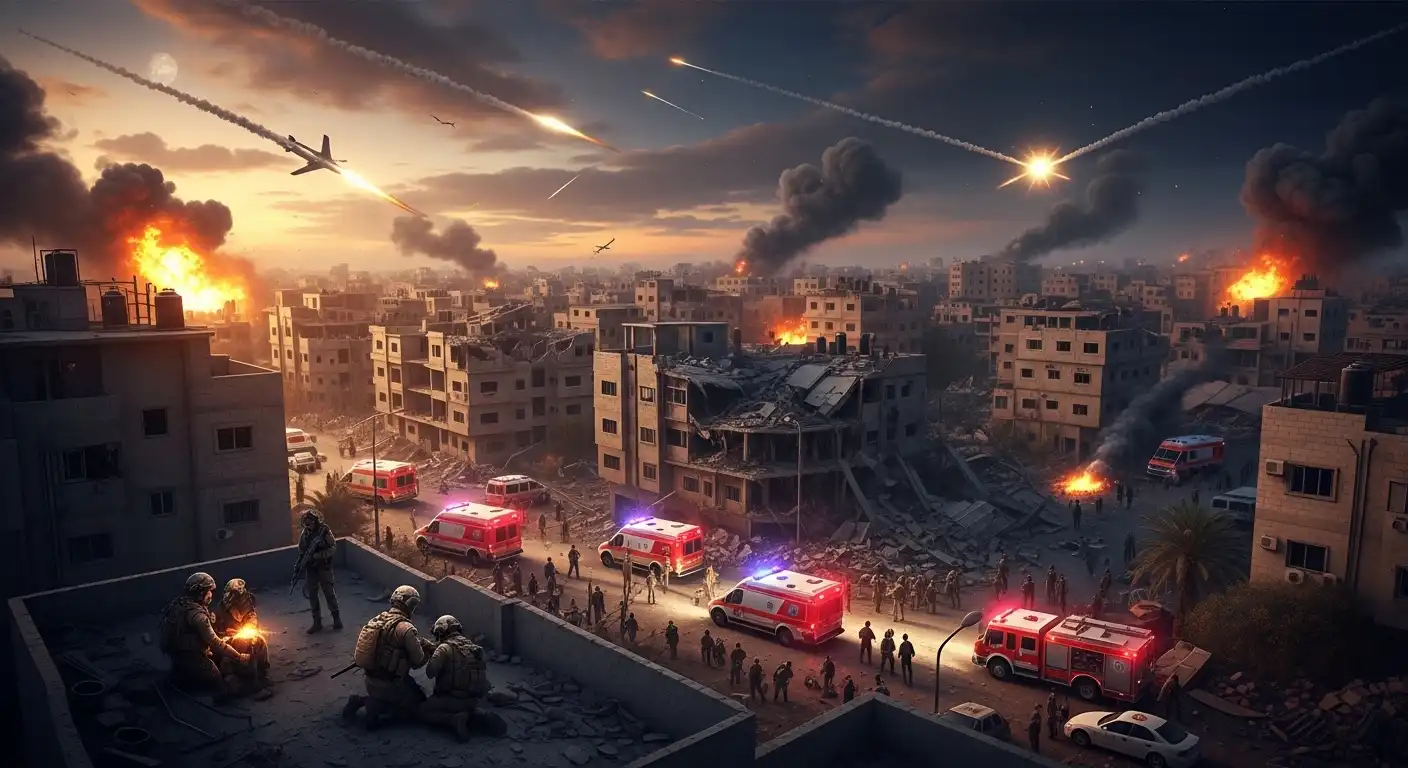
Several Gulf countries have reportedly expressed frustration with the United States over the handling of recent military strikes against Iran. According to a report by the Associated Press, officials from some Gulf governments said they were not given sufficient advance notice about the scale of the US-Israel operation targeting Iran.
The officials reportedly stated that the lack of prior communication left regional partners unprepared for the potential consequences of Iran’s retaliation.
Concerns Over Regional Security
Sources cited in the report said some Gulf governments had earlier warned Washington that a major attack on Iran could trigger widespread retaliation across the region.
Officials reportedly felt that the United States focused primarily on protecting its own forces and Israel, while Gulf partners faced growing security risks from Iranian missile and drone attacks.
One official also expressed concern that regional air defence systems were being heavily used and that interceptor stocks could become limited if the conflict continues.
White House Defends Military Operation
Responding to the criticism, the White House defended the military campaign, known as Operation Epic Fury.
White House spokesperson Anna Kelly said the operation had significantly reduced Iran’s ability to launch attacks.
According to the statement, Iranian ballistic missile attacks have reportedly declined by around 90 percent since the start of the operation. The spokesperson also said the US administration remains in close contact with regional partners while addressing security threats.
Debate Over the Origins of the Conflict
Some regional figures have also raised questions about the political background of the conflict.
Former Saudi intelligence chief Prince Turki al-Faisal suggested in an interview that Israeli leadership may have played a significant role in pushing for the military campaign. However, these comments represent personal opinions and have not been officially confirmed by governments involved.
Iranian Retaliation Across the Gulf
Iran has responded to the strikes by launching missiles and drones targeting locations linked to US military presence in the Gulf region.
Reports indicate that several Gulf states, including the United Arab Emirates, Kuwait, Qatar and Bahrain, have experienced drone interceptions, explosions or heightened security alerts.
Major cities such as Dubai and Abu Dhabi have reportedly activated air defence systems, while airspace restrictions and flight disruptions have affected regional aviation routes.
Wider Impact of the Conflict
The confrontation between Iran on one side and the United States and Israel on the other has now entered another week, with continued military exchanges across the Middle East.
Analysts say the conflict has raised concerns about regional stability, economic disruption and the safety of global trade routes.
Former US ambassador to Saudi Arabia Michael Ratney noted that Gulf countries may support efforts to weaken Iran’s military influence but remain worried about the broader economic and security consequences of a prolonged conflict.
Regional Tensions Remain High
As missile exchanges and air defence operations continue across several countries, governments in the region are closely monitoring the situation.
Diplomatic efforts to prevent further escalation may become increasingly important as the conflict develops and its regional impact grows.
Advertisement
you may also like
- March 07, 2026
White House Video on Iran Strikes Sparks Online Debate

- March 07, 2026
US Says Operation Epic Fury May Last 4–6 Weeks

- March 07, 2026
Missile Alerts Issued in UAE and Qatar Amid Gulf Tensions

- March 07, 2026