


- March 02, 2026
Modi’s Israel Visit Amid Regional Tensions
PM Modi’s Israel visit comes amid Iran tensions, West Bank concerns and regional geopolitics that may shape optics of his meeting with Netanyahu.
- February 24, 2026
- in National
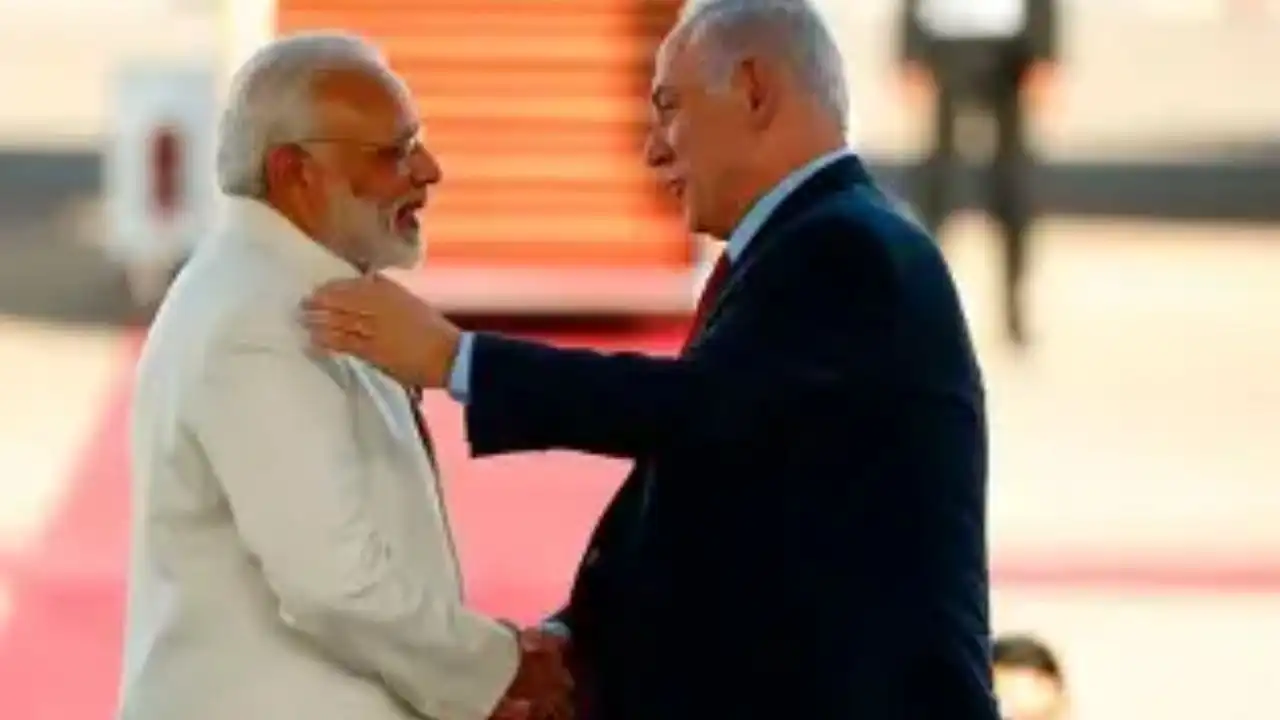
Prime Minister Narendra Modi is set to visit Israel from February 25 to 26 for a stand-alone bilateral trip aimed at strengthening ties. However, the visit comes at a time of heightened geopolitical tensions in West Asia.
The agenda for talks between Mr. Modi and Israeli Prime Minister Benjamin Netanyahu is expected to include defence and security cooperation, trade, labour mobility, artificial intelligence, technology partnerships and connectivity projects such as the India-Middle East-Europe Economic Corridor (IMEC).
Symbolism Beyond Bilateral Talks
Beyond agreements, the visit carries broader diplomatic symbolism. Mr. Netanyahu is expected to receive Mr. Modi at the airport in Tel Aviv, similar to the reception during the Prime Minister’s 2017 visit.
The two leaders are scheduled to hold bilateral discussions, issue press statements, attend an innovation event, and visit the Yad Vashem Holocaust memorial. Mr. Modi is also expected to address the Knesset.
“Hexagonal Alliance” Proposal
The visit coincides with Mr. Netanyahu’s proposal to build what he described as a “hexagonal alliance” involving India, Greece, Cyprus and other countries to counter what he termed radical axes in the region.
Observers say such remarks may draw attention from countries like Iran, Türkiye, Saudi Arabia and Qatar, all of which have complex and longstanding relations with India.
Any announcements regarding trilateral cooperation between India, the UAE and Israel could also influence regional perceptions, particularly amid evolving dynamics between Gulf states.
U.S.-Iran Tensions
Mr. Modi’s trip comes amid renewed tensions between the United States and Iran. U.S. President Donald Trump has made public statements warning of possible action against Iran, even as diplomatic talks are ongoing.
India has recently issued travel advisories for its citizens in Iran. Officials have stated that the Prime Minister’s security will be ensured during the visit.
Diplomatic observers note that India will have to manage the optics carefully, given its ties with both Israel and Iran.
Impact on India-Iran Relations
Iran has historically been important to India for energy supplies and connectivity projects, including the Chabahar port. Trade and energy ties declined after India stopped importing Iranian oil in line with U.S. sanctions.
India is also expected to host the BRICS summit later this year, where Iranian President Masoud Pezeshkian is likely to be invited.
The timing of the visit could therefore have implications for India’s balancing act in the region.
Gaza and West Bank Developments
The visit also comes amid international criticism of Israel’s plans to extend control over additional areas in the West Bank.
India recently joined a United Nations statement expressing concern over developments related to international law, although its participation followed some delay.
Discussions between Mr. Modi and Mr. Netanyahu may touch upon the future of Gaza, including international proposals for reconstruction and administration.
Domestic Context in Israel
Israel is expected to hold elections later this year. Prime Minister Netanyahu faces political scrutiny domestically over security and governance issues.
Analysts say Mr. Modi’s address to the Knesset and public messaging during the visit will be closely watched by both Israeli political stakeholders and regional observers.
Diplomatic Balancing
India has maintained that its foreign policy in West Asia is guided by strategic autonomy and balanced engagement with all major players.
As Mr. Modi undertakes his visit, the outcomes will likely be measured not only in terms of agreements signed, but also in how effectively India navigates a complex regional landscape.
you may also like
- March 01, 2026
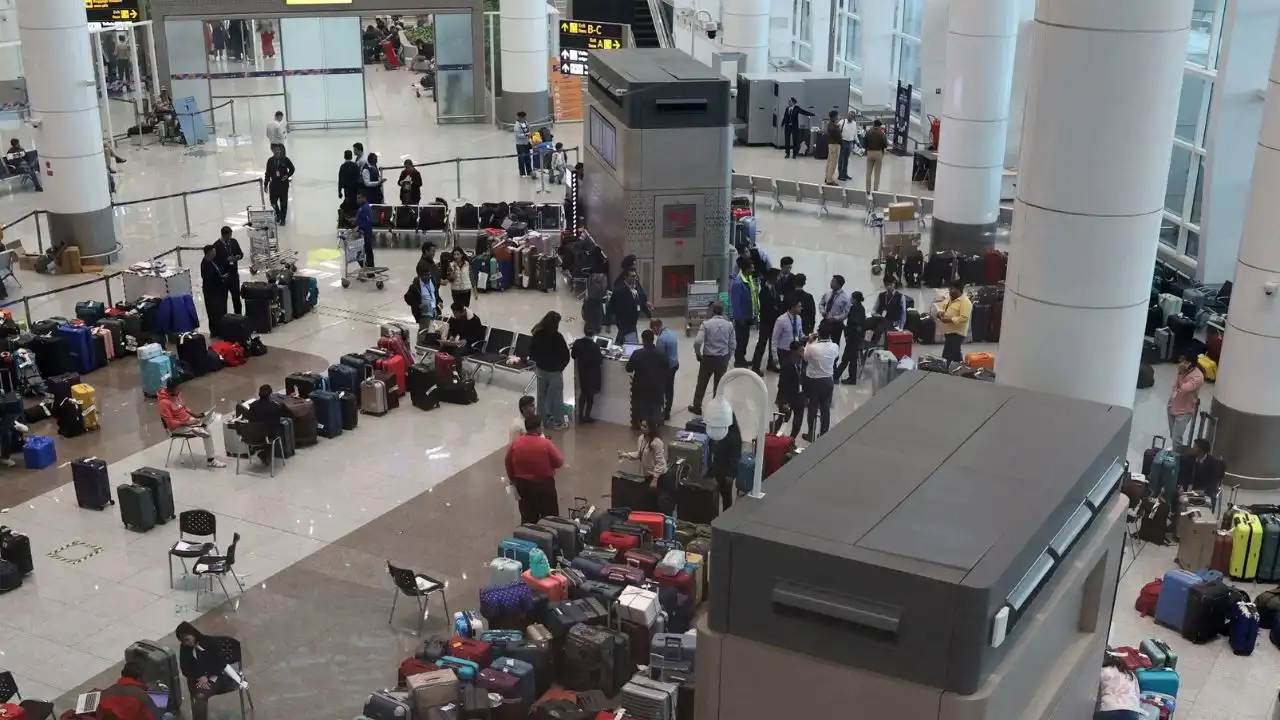
444 Flights Cancelled as West Asia Tensions Hit India
- February 28, 2026
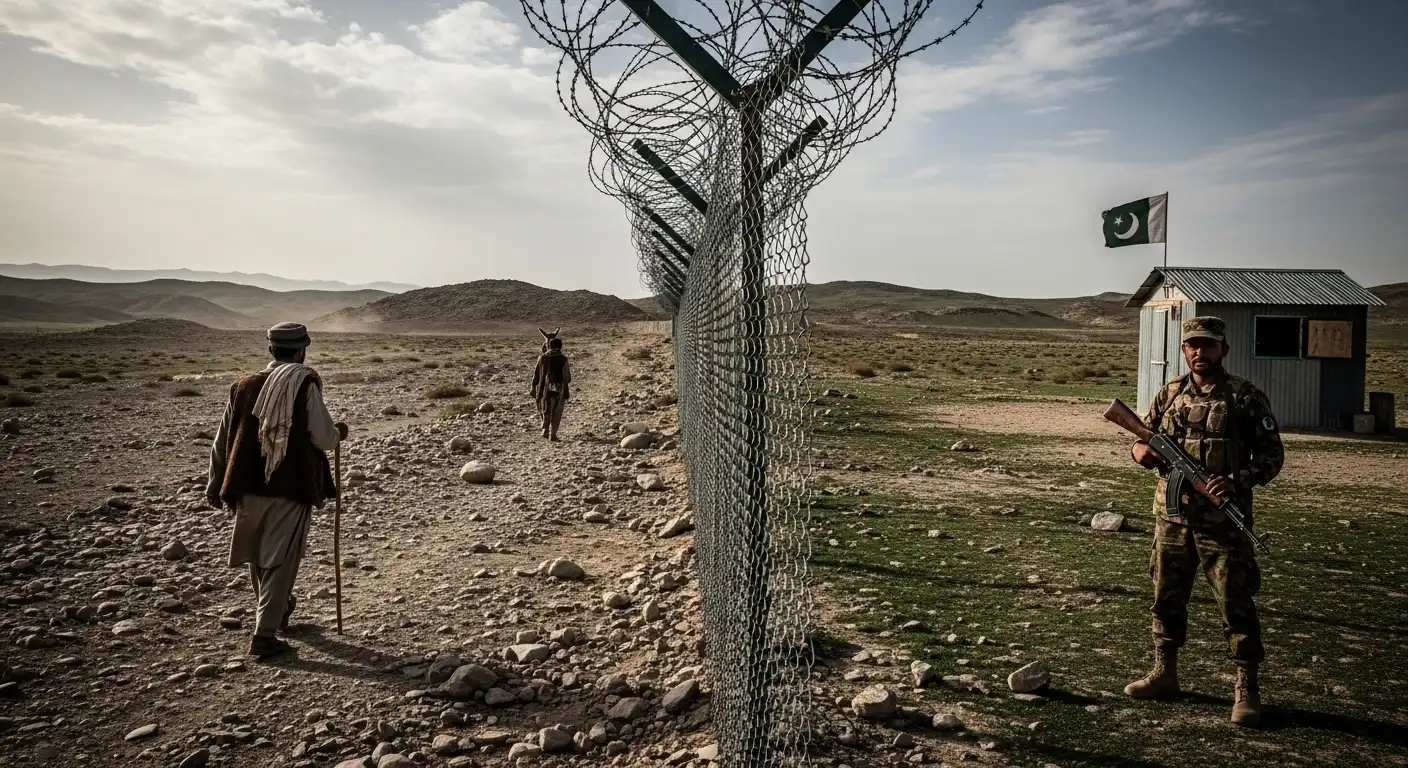
India Closely Monitoring Afghanistan-Pakistan Tensions

- February 27, 2026
Maid Arrested for Alleged Fake ED Raid in Delhi

- February 27, 2026