Pakistan Faces 22% Water Shortage as Storage Gaps and Delayed Projects Raise Concerns
Pakistan has projected a 22% irrigation water shortage for Punjab and Sindh during the 2026–27 Rabi season. Its water regulator has cited lower river inflows, limited reservoir storage and delayed infrastructure projects among the key concerns.
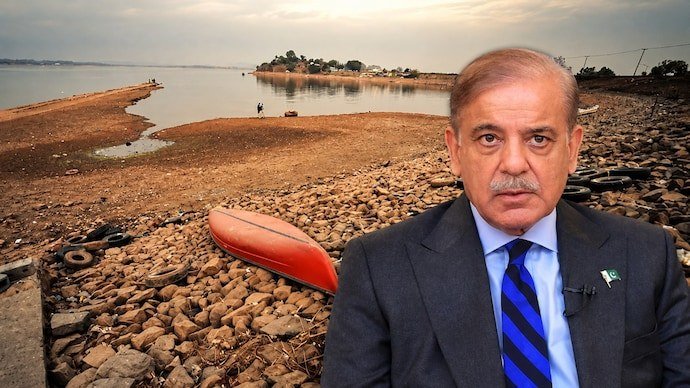
Pakistan is facing a projected 22% irrigation water shortage during the 2026–27 Rabi season, raising concerns over wheat production and food security. The country’s Indus River System Authority (IRSA) has highlighted lower river inflows, inadequate reservoir storage and delays in water infrastructure projects.
The shortage is expected to affect Punjab and Sindh, two major agricultural provinces where farmers are preparing to sow wheat and other winter crops. More than 80% of Pakistan’s agriculture depends on irrigation linked to the Indus Basin, making water availability crucial to food production.
According to reports in Pakistani media, river inflows during the April–September Kharif season were below projections and significantly lower than the previous year. Reservoir storage at the end of September also fell short of expectations.
Restrictions on water storage at Tarbela Dam during construction and delays in the Tunnel 4 Low-Level Outlet and Tunnel 5 Hydropower Project have added to concerns. IRSA has urged authorities to complete the delayed projects, which were reportedly due for completion in March 2025.
The projected shortage comes amid tensions with India over the Indus Waters Treaty, which New Delhi placed in abeyance in 2025 following the Pahalgam terror attack. Pakistan has repeatedly accused India of threatening its water rights.
However, the factors cited in IRSA’s assessment point to domestic storage and infrastructure constraints as important contributors to the current shortage. The treaty dispute and Pakistan’s internal water-management challenges remain distinct issues.
Reduced irrigation supplies could put further pressure on wheat output. Pakistan has already faced a production shortfall, making the coming Rabi season particularly important for its food security.