


- March 07, 2026
US, Israel and Iran Conflict Intensifies Across Middle East
US, Israel and Iran tensions escalate with missile strikes, air raids and evacuations across the Middle East as governments issue travel advisories.
- March 04, 2026
- in International
Advertisement

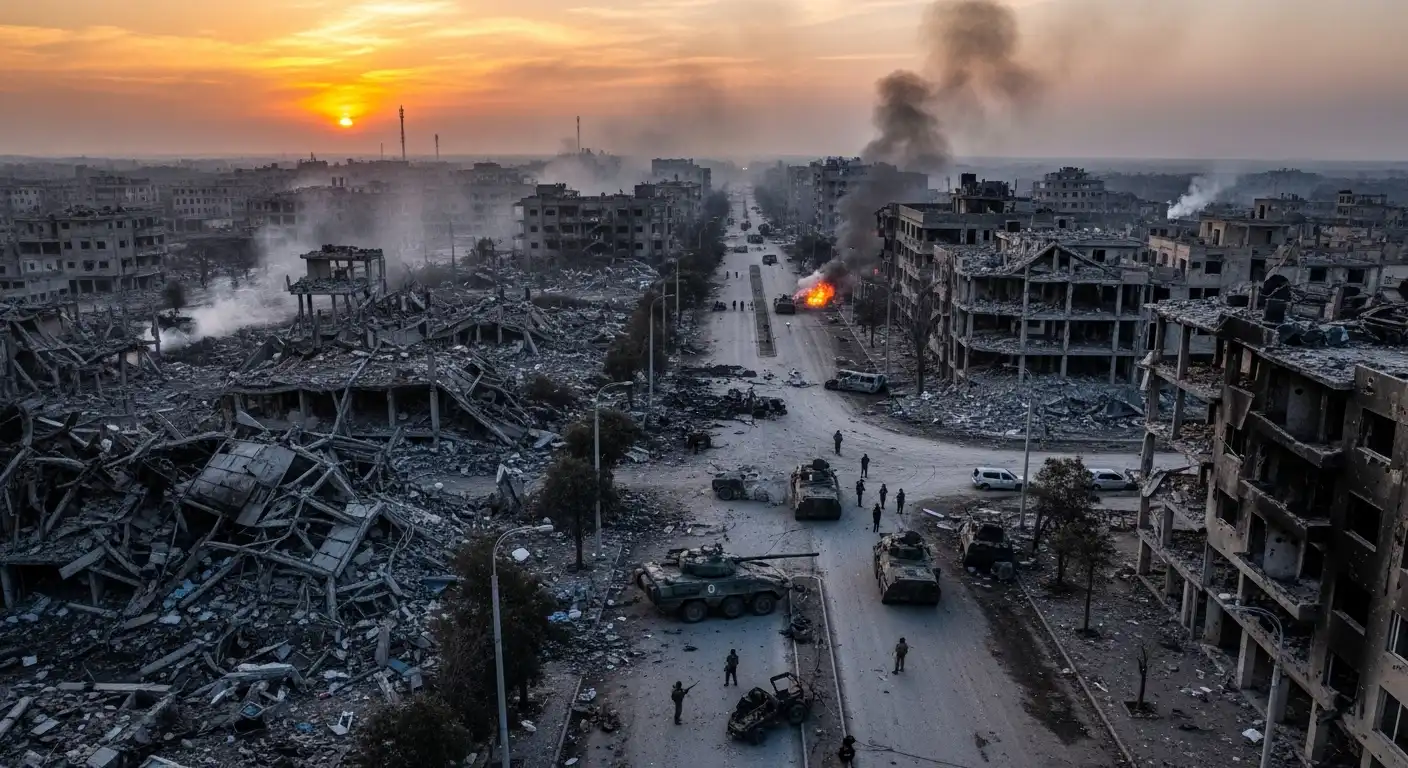
Tensions in the Middle East continue to rise as military operations involving the United States, Israel and Iran expand across several countries. The confrontation has entered its fifth day, with missile strikes, air raids and security alerts reported in multiple locations.
Officials from the three countries have issued statements defending their actions while governments around the world call for restraint and adherence to international law.
Iran says it is responding in self-defense
Iran’s Foreign Minister Seyed Abbas Araghchi said the country is prepared to defend itself against what Tehran describes as joint US-Israeli attacks. According to Iranian state media, Iran considers its actions to be a form of self-defense under the United Nations Charter.
The Islamic Revolutionary Guard Corps (IRGC) announced continued operations under what it calls “Operation True Promise 4.” Iranian authorities said the campaign targets military installations connected to the United States and Israel across the region.
Iranian officials have also claimed that several missile attacks were launched toward US and Israeli military positions in the Gulf.
Israeli airstrikes target Iranian facilities
The Israeli military said it carried out airstrikes on multiple locations in Tehran, targeting security command centers and facilities linked to Iran’s internal security forces.
According to the Israel Defense Forces (IDF), the objective of the strikes was to weaken Iran’s command and control systems.
Iran also launched missiles toward Israeli cities including Jerusalem and Tel Aviv, triggering air-raid sirens across the country. Israeli emergency services reported no immediate casualties from those missile alerts.
Lebanon reports civilian casualties
Lebanon’s health ministry reported that Israeli strikes on towns south of Beirut killed six civilians and injured eight others. Authorities said the attacks occurred in the areas of Aramoun and Saadiyat.
Lebanese state media also reported damage to buildings in the suburbs of Beirut during the latest round of strikes.
US expands military operations
The United States military confirmed that it has conducted nearly 2,000 strikes on Iranian targets since the start of the conflict. According to US Central Command, the targets included missile systems, air defense units, drones and several naval vessels.
US officials also reported the destruction of 17 Iranian warships, including a submarine, during the campaign.
Iran has reportedly responded by launching hundreds of ballistic missiles and drones toward US forces, Israel and allied countries in the region.
Security incidents reported across the region
Several security incidents have been reported across the Middle East as the conflict continues to expand.
A drone was reportedly shot down near Baghdad International Airport, marking the second such incident in two days. Iraqi security sources said no casualties or major damage were reported.
In the Gulf region, authorities confirmed that fires linked to drone activity occurred near diplomatic facilities in Dubai and Riyadh, though officials said the situations were brought under control.
Qatar also reported that one ballistic missile launched toward the country was intercepted by its air-defense systems.
Travel advisories and evacuations issued
With the security situation worsening, the United States has urged its citizens to leave parts of the Middle East if possible.
Officials said more than 1,500 Americans have requested assistance to depart the region. Charter flights and military aircraft are being arranged from countries including Jordan, Saudi Arabia and the United Arab Emirates.
At the same time, several US embassies in the region have reduced staff levels, and non-essential personnel have been advised to leave.
India’s Ministry of External Affairs has also established a special control room to assist Indian citizens in West Asia amid the ongoing tensions.
Global concern over rising tensions
International leaders and organizations have expressed concern about the escalation. The Association of Southeast Asian Nations (ASEAN) called on all sides to respect international law and the United Nations Charter.
The International Atomic Energy Agency (IAEA) also commented on the situation, stating that while Iran holds large stockpiles of enriched uranium, inspectors have not found evidence of an active nuclear weapons program.
The conflict continues to develop rapidly, with military actions and diplomatic responses evolving across the region.
Advertisement
you may also like

- March 07, 2026
White House Video on Iran Strikes Sparks Online Debate

- March 07, 2026
US Says Operation Epic Fury May Last 4–6 Weeks

- March 07, 2026
Missile Alerts Issued in UAE and Qatar Amid Gulf Tensions

- March 07, 2026