Bihar Beyond Katta: How Chhath and The Vvaan Are Changing Its Bollywood Image
From crime stereotypes to Chhath, folklore and everyday life, Bihar is finding a wider place in mainstream Hindi cinema through stories rooted in its culture.
For years, mainstream Hindi cinema often presented Bihar through a familiar collection of images: crime, political rivalry, guns, dusty roads and gangsters. The state frequently appeared as a setting for conflict rather than as a place with its own cultural identity. That portrayal is now beginning to expand, with festivals, traditions, language and everyday life finding greater space on screen.
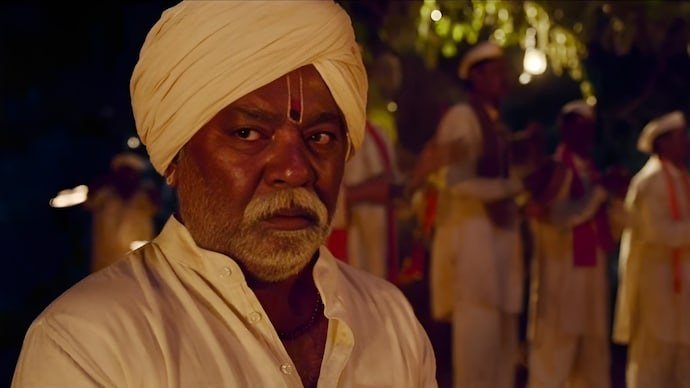
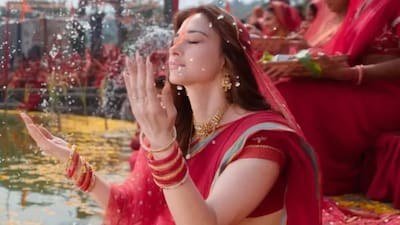
The Vvaan: Force of the Forest is one example of this shift. Directed by Deepak Kumar Mishra, the film places Chhath at the heart of its story rather than treating the festival as background decoration. The film draws from writer-producer Arunabh Kumar’s childhood experiences in Bihar, making cultural authenticity an important part of its presentation.
The makers recreated Chhath with traditional details, including rituals, offerings and participants dressed in traditional attire. The festival also runs alongside the film’s central storyline involving the protection of the Vandevi forest.
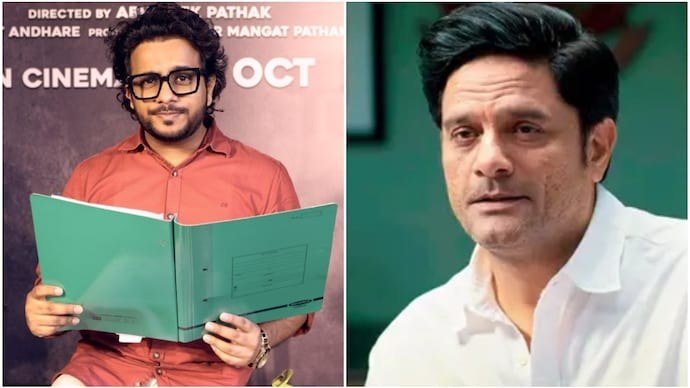
Actor Chandan Roy, known for Panchayat, has argued that audiences themselves are helping push mainstream cinema towards more authentic regional stories. Greater access to world cinema and diverse content has changed what viewers expect from filmmakers.
Roy has also pointed out that Bihar contains thousands of stories beyond crime. While films such as Gangaajal and Apaharan explored the state through political and criminal narratives, he believes filmmakers are increasingly looking at its people and culture differently.
The growing national attention around Bihar is also visible beyond The Vvaan. Allu Arjun’s Pushpa 2 trailer launch in Patna and the increasing visibility of Bhojpuri performers in mainstream entertainment reflect the expanding importance of audiences from the region.
For filmmakers, however, cultural representation comes with responsibility. Roy stressed that festivals such as Chhath need to be portrayed authentically because audiences unfamiliar with the tradition may form their understanding through cinema.
The emerging trend suggests that Bihar does not need a gun or a gangster to become part of the mainstream story. Sometimes, a festival, a village, a family and an ordinary life can be enough.